Of Human Bondage
Breaking bread with the dead in film and books.

Soon after breakfast Mary Ann brought in the Times. Mr. Carey shared it with two neighbours. He had it from ten till one, when the gardener took it over to Mr. Ellis at the Limes, with whom it remained till seven; then it was taken to Miss Brooks at the Manor House, who, since she got it late, had the advantage of keeping it.
There’s something quaint and romantic about having such little and proscribed access to information. It’s almost the exact opposite of what we have today, with the glut of news and entertainment that we can barely hold off.
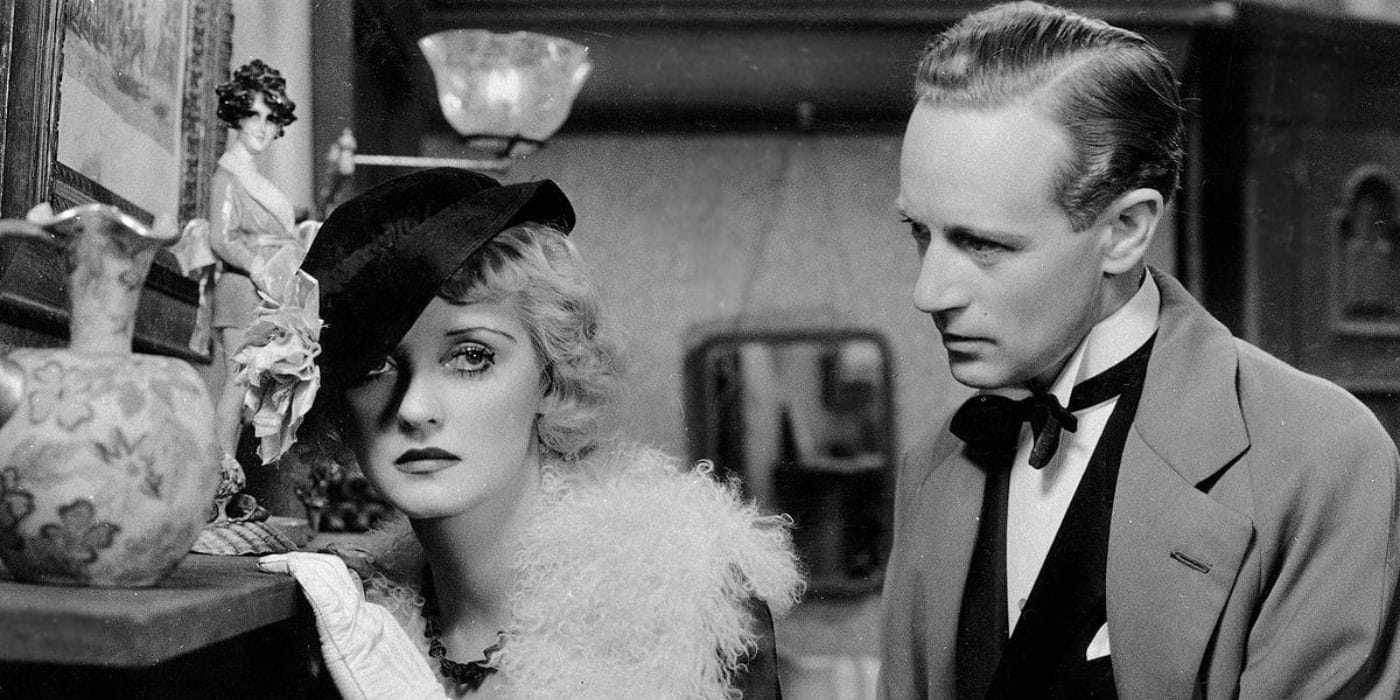
I came across Of Human Bondage by way of the original film adaption of the novel (which is in the public domain). It looked interesting when I was browsing through Tubi. Tubi autoplays movies when you click on the title, even if you only intended to get more details. Once a film starts, it's easy to get drawn in. I like Leslie Howard and this was the film this is widely regarded as having made Bette Davis a star. You get a sense as to why in the infamous scene in which Davis chews through the scenery like only she can after Howard’s character, Philip, tells her she disgusts him.
Of Human Bondage - “Wipe my mouth” (YouTube)
My wife was distracted by Davis’ intermittent cockney accent in the scene, but as The Radio Times Guide To Film puts it, “Bette Davis proves her credentials in this latter role, offering a nuanced portrayal that rises above her cockney accent.”1
It’s now mockably trite to say the book is better than the movie, but in this case, you might argue that is objectively true. The events depicted in the movie don’t even begin until a full 40% of the book is complete. The emotions that are either unexplored or inexplicable on the screen come through more fully realized on the page.
Davis hired a nanny with a cockney accent to prep for the role. ↩︎

Treasure Hoard
Sign up for Treasure Hoard to receive email digests in your inbox.