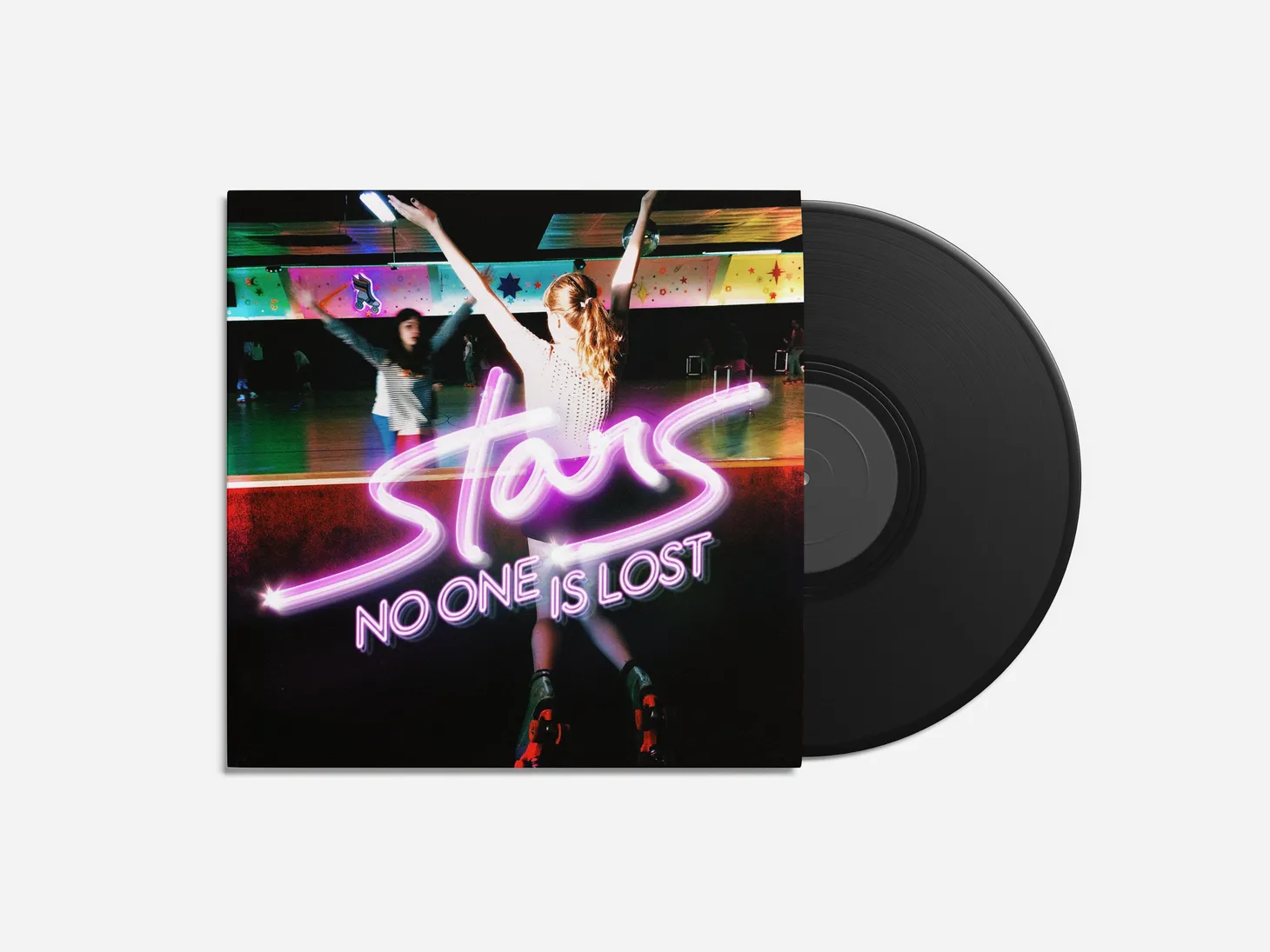
No Carbon Copies

Damon Krukowski from Galaxie 500 writes about the vitality of live music — not just music experienced in person, but also live albums.
I started collecting live albums— bootlegs in particular — because they helped me hear how musicians actually play their instruments. Growing up in the heyday of 1960s and ’70s studio wizardry — Revolver, Pet Sounds, Dark Side of the Moon — records seemed particularly far removed from performance. No one can play guitar backwards. And few live shows will ever feature the sheer number of instruments and voices routinely stacked together by multitrack recording.
In the 1980s, bootleg LPs were everywhere, followed in the ’90s by bootleg CDs. All used record stores seemed to have at least a few.
I first encountered bootleg live recordings when I moved to Albuquerque, NM, in 11th grade and befriended some guys who spent too much time reading Goldmine magazine.1 Shops that sold these recordings called them “imports,” and in truth they were usually shipped in from other countries. The label, of course, hid the (likely) illicit nature of the albums.
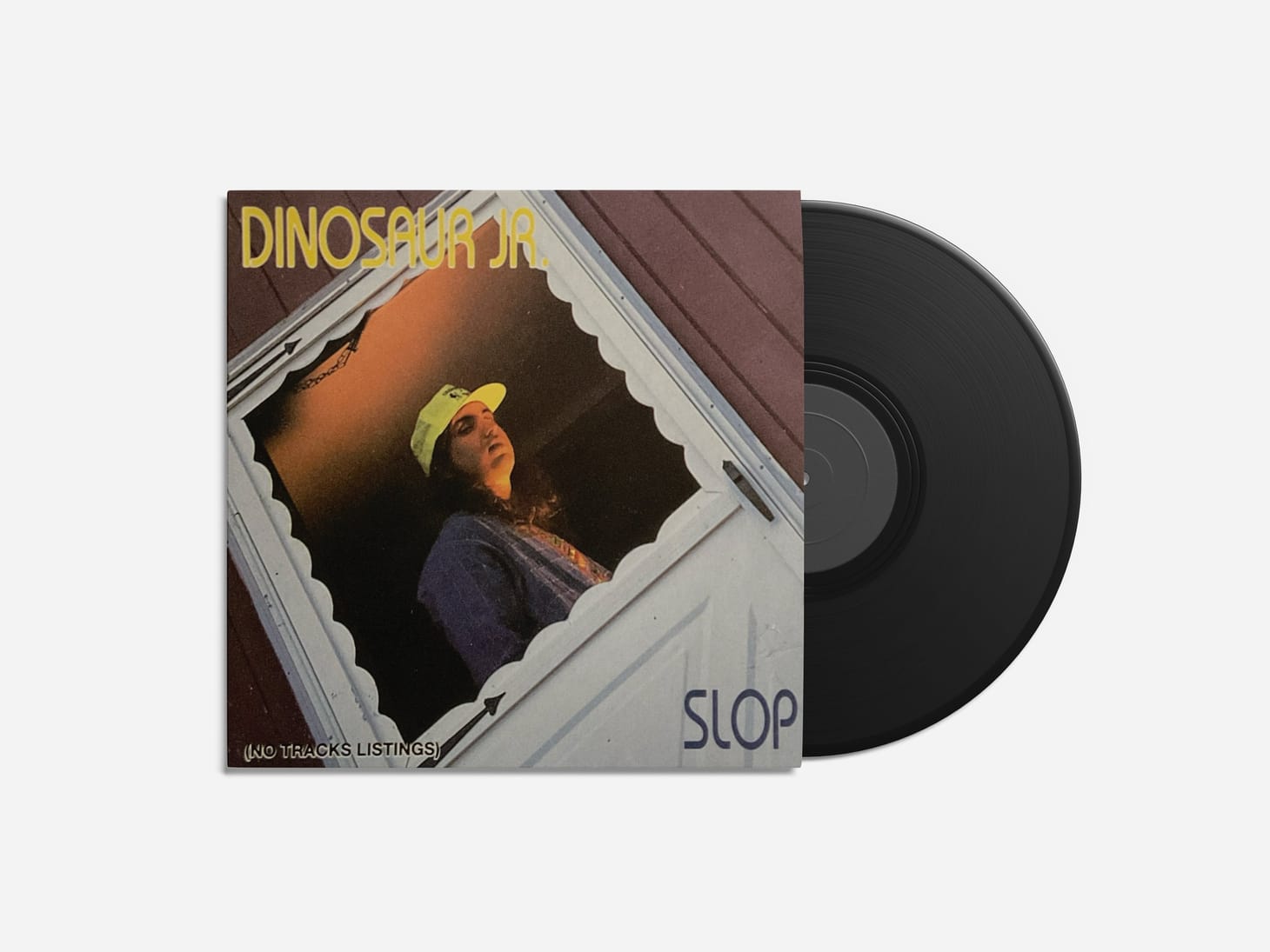
That year, I asked for a Dinosaur Jr. live album called Slop — that I had seen behind the counter at a local record store — for Christmas. You won’t find this album in any official discography (wink, wink). It cost $46, enough to be my main gift that year, and roughly the price of three standard CDs. It was a big gamble, and ultimately a disappointing one. The sound quality was terrible, and the production values were extremely low. The cover, as you can see in the header images, offers no track listings. The CD itself claims the tracks are listed on the back, but the back simply repeats the same message as the front. I still have the CD, but I never listen to it.
The Slop fiasco and other poorly recorded shows turned me off live albums for a long time. Many “official” live albums don’t fare much better. Sticking with Dinosaur Jr., the Chocomel Daze live release from Merge Records (recorded around the same time) doesn’t really sound superior to Slop. I came to believe it didn’t make sense to pay for the same songs recorded at lower quality than the studio versions.
Over time, though, a few recordings have changed my mind, and I still hold on to some classics. The Cure’s Entreat, for example, is one I frequently revisit, as a reminder of the raw beauty of a true live experience.
- Goldmine meticulously documented bootleg live recordings. ↩︎

Treasure Hoard
Sign up for Treasure Hoard to receive email digests in your inbox.